Why Suncombe is Excited to Attend the ABSANZ 2024 Conference
As the biosafety landscape continues to evolve, Suncombe is excited to announce its participat...
Suncombe were awarded a project for a Major Biotechnology facility in Ireland which specialises in producing advanced medicines and vaccines. With the facility’s commitment to operational efficiency and environmental responsibility, they sought an innovative solution for managing and treating their process waste. The objective was to develop a system that could effectively treat and neutralise process waste, ensuring safe discharge while minimising the environmental footprint.
To meet this need, the client partnered with Suncombe—renowned for their expertise in waste decontamination systems. Together, they developed a Waste Equalisation and Neutralisation System (WENS), a customized solution tailored to the client’s stringent waste treatment requirements.
The project had several key objectives:
High-Efficiency Waste Treatment: To treat and neutralise waste generated from the client’s production processes in a manner that ensured safety and environmental compliance.
Installation Optimisation: Use a containerised solution to streamline installation.
Sustainability: Align the system with the client’s commitment to reducing its environmental footprint.
Modular, Scalable Solution: Design the system for ease of deployment and scalability to accommodate future facility needs.
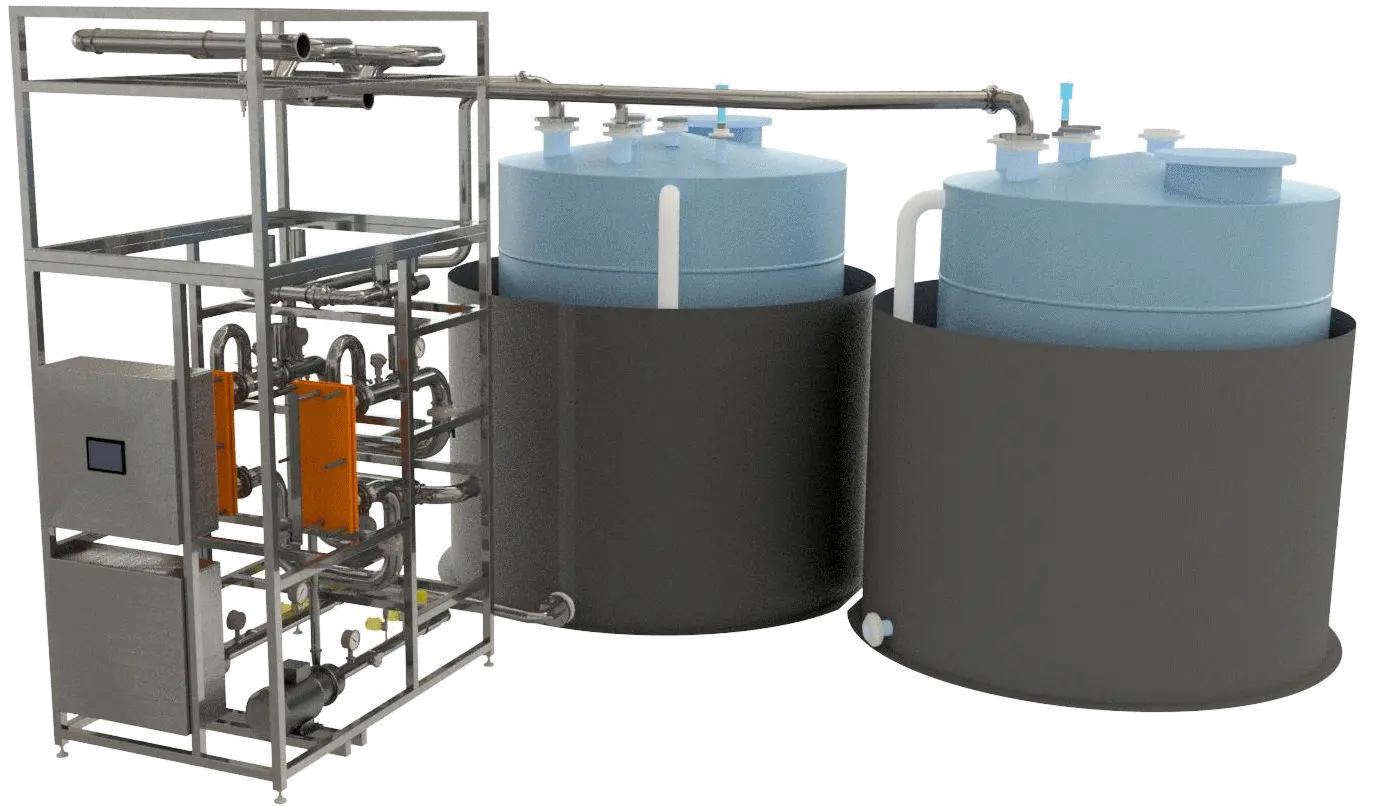
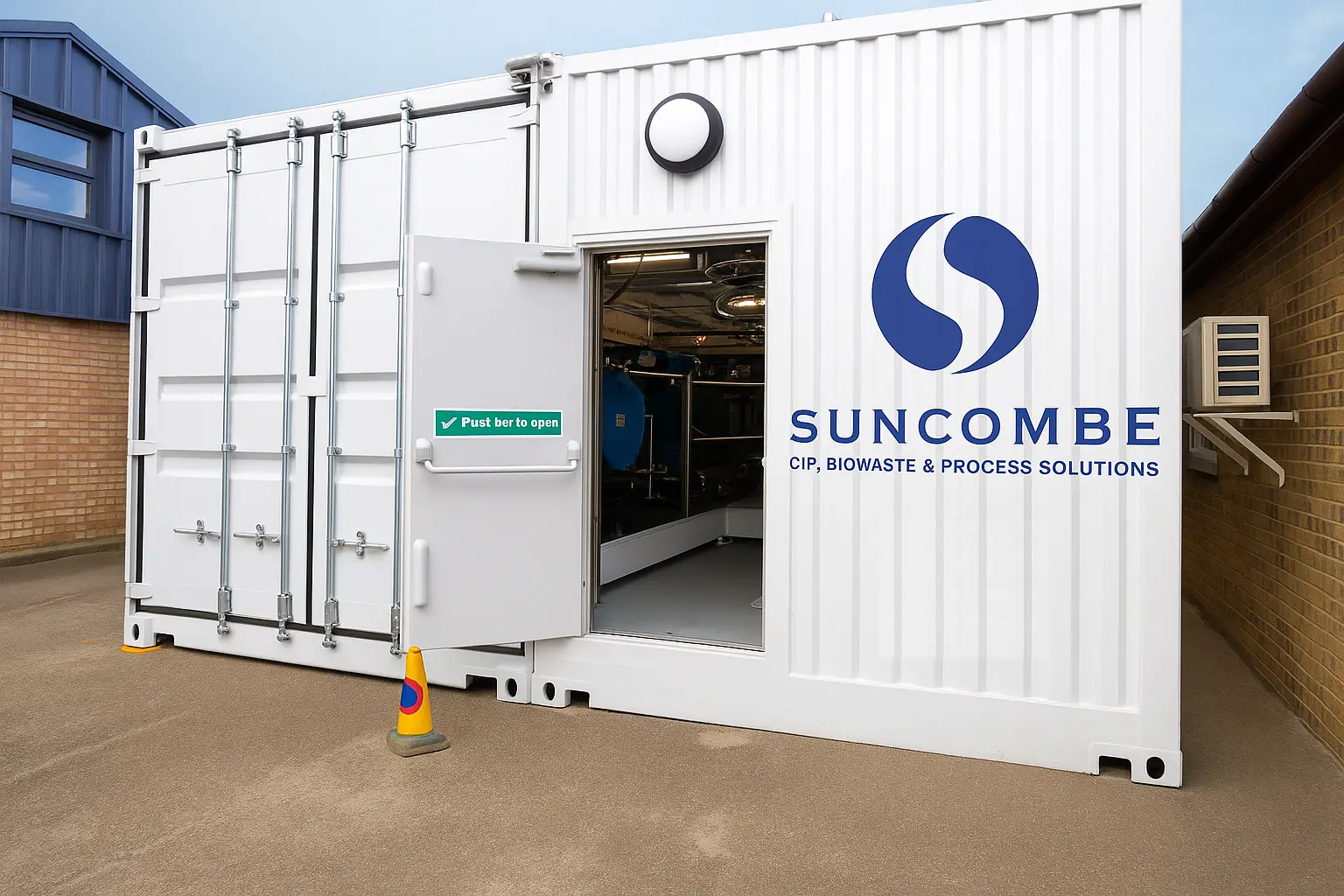
Suncombe developed a custom-engineered Waste Equalisation and Neutralisation System housed within bespoke, custom built shipping-style containers. This innovative approach delivered a fully self-contained treatment unit, built to handle high-capacity waste treatment while maintaining operational flexibility.
Key Features of the System
Containerised Design: The system’s unique housing in re-engineered shipping containers allowed the client to reduce the onsite construction complexity and save valuable facility space. This modular design enabled quick installation, reducing downtime and limiting environmental impact.
Advanced Monitoring and Control: Integrated controls allowed for precise management of pH levels and waste volume fluctuations. This advanced monitoring capability enabled efficient operation, ensuring the system consistently met environmental and regulatory standards.
Adaptable and Scalable: The modular container setup offers a scalable solution that can be expanded or relocated as needed, providing the client with flexibility for future needs.
 Figure 1- Waste Equalisation and Neutralisation System Assembly
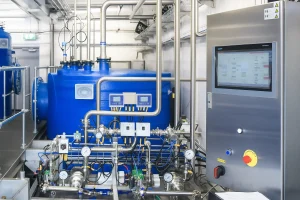 Figure 2- Waste Equalisation and Neutralisation System Pumping Module
We started by reviewing the initial specifications and worked with the client to develop models of the proposed system. These models included the P&ID, the 3D CAD model and a Quality Plan.
Following preliminary design, we held and attended design evaluation meetings, HAZOPs and risk assessment, to jointly develop the optimum system design for the project.
We identified and specified all the performance testing required in order to provide fully validated test results and functionality demonstrations. These test plans, covering the testing and commissioning of the final system, were developed early in the project programme.
By recognising all of the critical outcomes and requirements, we were able to use these as we developed the designs. As a collaborative project, Client engineers worked in close co-operation with the long term Suncombe engineers who have been working on waste systems and other critical projects, throughout our company’s 60+ years of operation.
Throughout the detailed design and construction process we worked closely with the client, in the process of installation and upfront design to ensure that the system would successfully integrate into the building structure.
The testing process included a Factory Acceptance Testing, carried out to pre-approved testing protocols. System documentation and certifications were also reviewed, and a full testing process occurred including simulated load tests and automation.
These extensive pre-delivery tests were carried out to ensure that on delivery to site, the system was pre-tested ensuring that reconnection and preparedness for operation was straightforward. Following delivery and installation, the testing regime continued with the next stage of commissioned Site Acceptance Testing, once again against pre-approved protocols. Tests were carried out to prove that the installed system maintained the operation of the Factory Accepted system and continued on to challenge Waste Equalisation and Neutralisation testing.
The project proceeded with detailed planning and collaboration between Suncombe and the client. Suncombe managed the engineering and manufacturing of the system, while the client oversaw the installation, ensuring the solution met all project specifications and was delivered on time. The containerised design allowed for rapid deployment, minimising any disruption to the client’s ongoing operations.
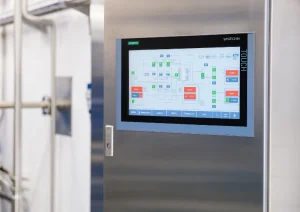 Figure 3- Waste Equalisation and Neutralisation System HMI
Since its installation, the WENS has successfully enabled the client to:
Achieve Reliable Waste Treatment: The system provides consistent, high-quality treatment of production waste, ensuring safe discharge in compliance with environmental regulations.
Optimize Facility Space: The containerized model allows the system to operate with a minimal footprint, supporting the client’s efficient facility layout.
Support Sustainability Goals: By minimizing the system’s environmental impact through space and resource efficiency, the solution aligns with the client’s sustainability objectives.
Steve Overton, Technical Director at Suncombe, emphasized the importance of collaboration, stating, “Working with the major Biotechnology facility in Ireland, we were able to deliver a solution that not only meets immediate needs but is flexible enough to adapt as those needs evolve. This project underscores our dedication to providing sustainable, modular solutions for the biotech industry.
This project underlines Suncombe’s commitment to delivering innovative, sustainable waste treatment solutions tailored to the pharmaceutical and biotechnology sectors. By leveraging a modular containerized approach and collaborating, Suncombe has provided the client with a state-of-the-art Waste Equalisation and Neutralisation System that is adaptable, space-efficient, and environmentally responsible.
The collaboration has not only enhanced the client’s waste treatment capabilities but also demonstrates Suncombe’s leading role in advancing sustainable solutions within the industry.
Explore more posts
As the biosafety landscape continues to evolve, Suncombe is excited to announce its participat...
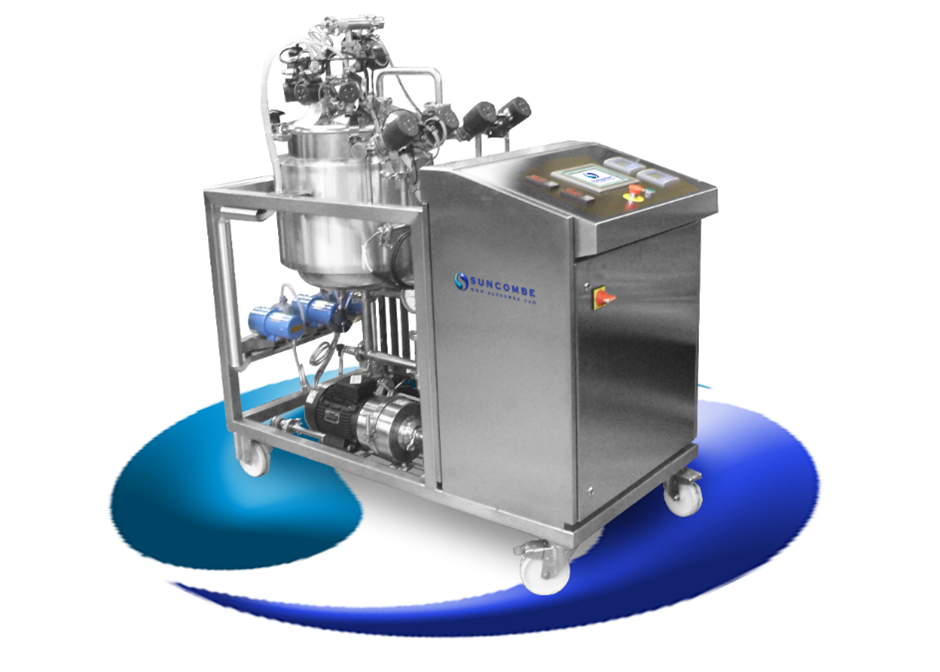
Clean-in-Place (CIP) is a method of cleaning and sanitizing enclosed processing equipment with...