Stainless Steel: A History in Hygienic Processes
An Introduction to Stainless Steel In the world of modern hygienic processes, stainless steel sta...
The pharmaceutical industry follows a set of rules and regulations to ensure the end products, or medicines consumers receive, are safe, effective, and work as intended. Framing and following these rules protects consumer health and prevents errors that could lead to unsafe formulations and adverse effects.
GMP pharmaceutical standards are a set of regulations that cover all stages of manufacturing. These standards are recognised and followed by manufacturers around the world to ensure uniform manufacturing processes in all pharmaceutical manufacturing units.
In this article, we’re explaining these standards and the reasons why GMP is important in the pharmaceutical industry.
GMP or Good Manufacturing Practices, is a set of codes, guidelines and regulations governing the manufacturing process and environment in the pharmaceutical sector.
Specific regulatory bodies define the GMP pharmaceutical standards. In Europe, it’s the European Medicines Agency (EMA) that specifies the GMP pharma guidelines, while in the United States, it’s The Food and Drug Administration (FDA), and internationally, it’s The World Health Organization (WHO).
Any manufacturer of medicines must comply with the requisite EU GMP pharma guidelines, no matter where in the world they’re located. The EU guidelines require medicines to:
Be of consistent high quality;
Work as intended;
Comply with the requirements of marketing authorities or clinical trial authorities.
The GMP protocols list 10 core principles, largely applicable to the pharmaceutical industry.
A robust QMS involves a four-pronged approach, including setting policies, quality assurance (QA), and continuous improvement.
GDP also requires manufacturers to keep their documentation and reports, from raw material and equipment logs to testing and QC data for audits, up to date and traceable.
Companies must have thoroughly trained personnel to comply with GMP guidelines in pharma companies. Incorporate comprehensive training programs, assign responsibilities, and assess your employees regularly.
It’s essential to clean, organise, and maintain contamination-free environments and incorporate regular machinery cleaning, calibration, and validation towards maintenance.
Before using any raw materials in drug production, you must check them for quality and ensure they can be traced back to their source. This control ensures that the final product is safe and reliable.
Your facility should source materials from approved and audited vendors, conduct comprehensive quality checks before use, and duly maintain necessary records. It’s possible to produce consistently high-quality products when you follow GMP pharma standards that prioritise uncompromised and stringent monitoring of raw materials and suppliers.
Manufacturers are also legally required to validate their processes, ensuring that every step of the manufacturing process creates consistent products that meet set specifications. It should be easy for your production processes to be reproduced, with your equipment producing the desired results each time.
To prevent contamination, maintaining high standards of hygiene in pharmaceutical processes is non-negotiable. GMP guidelines in pharma recommend regular cleaning, setting and following strict employee hygiene protocols, and monitoring levels of microorganisms in sterile production environments.
Another of the most important Good Manufacturing Practices is QC testing, which ensures that the final product meets quality specifications through comprehensive tests, including in-process testing, finished product testing, and stability testing.
The core purpose of using quality packaging materials is to ensure the product is safe and lasts its intended shelf life. According to GMP pharma guidelines, all pharma products need to be packaged in tamper-proof packaging to prevent adulteration with clear, accurate labelling. Labels help provide clear and correct information to the end consumer, including dosage, ingredients, and safety warnings.
Customer service is a key aspect for any organisation, even pharmaceuticals. The GMP pharmaceutical standards recommend implementing a robust system to address customer complaints and recall defective products. These must be followed by identifying the root causes of any reported issues and implementing actions to prevent recurrence.
GMP is essential to ensure transparency, meet quality standards and regulations, and ensure product safety at all times.
Here are 4 reasons why GMP is important in the pharmaceutical industry
When GMP guidelines in pharma units are followed, manufacturers can ensure their drugs are safe for consumption. GMP pharma guidelines are designed to eliminate any risks associated with contamination, mislabeling, and adulteration.
GMP pharmaceutical standards establish stringent quality control measures throughout the production process, helping manufacturers ensure the final product consistently meets the predefined quality standards.
Following GMP guidelines in pharma is mandatory if pharmaceutical companies want to gain permission and approval from regulatory bodies like the FDA, EMA, and the WHO to sell their products globally.
When your pharmaceutical facility follows GMP standards, it helps build trust with your end consumers and healthcare providers. It also demonstrates that your business is dedicated to producing safe, effective, and high-quality drugs and formulations.
GMP pharmaceutical standards place equal emphasis on production and manufacturing processes. All processes need to be planned, monitored closely, and streamlined to ensure your production stays on schedule.
‘Suncombe’s products are designed to control manufacturing processes and prevent errors or changes that could affect the quality of the product. Whether you’re interested in our Cleaning in Place systems or Biowaste Decontamination Systems, we offer solutions to ensure controlled processing at various stages of production.‘
Quality Control or QC is a process that involves rigorous testing of raw materials, production samples, and final products. Quality testing should be carried out at every stage of production, and ensures everything meets the necessary quality standards and is safe and effective for end-consumer use.
‘Suncombe’s products and services have helped countless high purity projects globally, developing systems and products for vaccines, syrups, suspensions, parenteral, blood products, lotions, ointments, creams and emollients, fine chemicals, API, sterile fill / finish, and formulations.‘
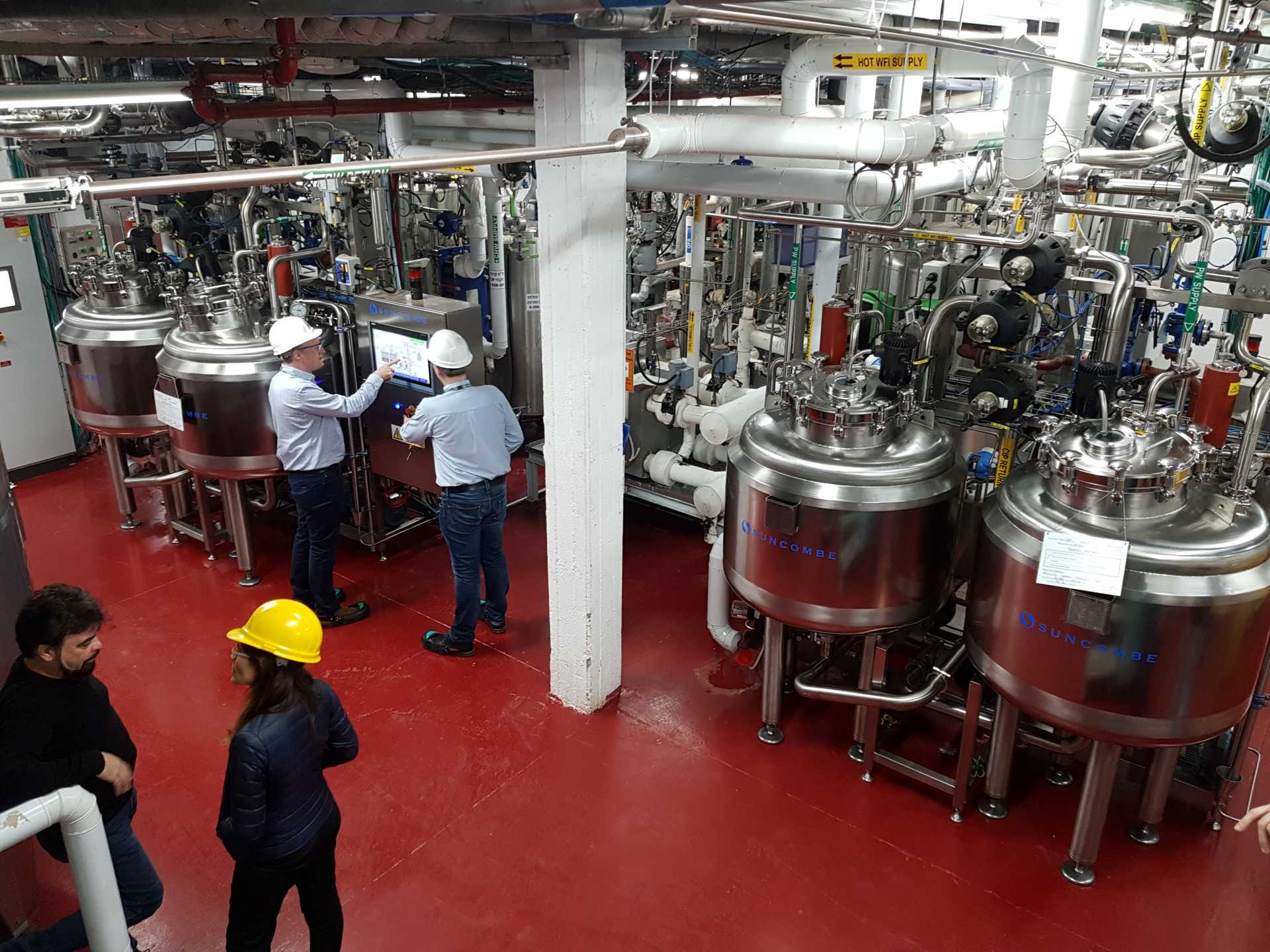
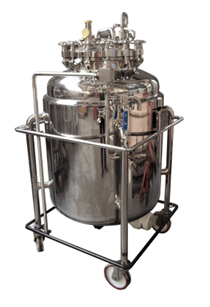
Suncombe is your partner in meeting the demands of modern pharmaceutical manufacturing, including GMP regulations. Our extensive product line of GMP Washers, GMP Process Skids and Systems, and GMP vessels, are fully validated and follow GMP guidelines in pharma.
Our team can help you achieve compliance with GMP standards, maintain hygiene, and lower contamination risks, in turn creating safe and effective drugs, and maintaining consumer trust.
Learn more about our products and services. To find out how we can personalise our products for you, connect with a specialist from our team on +44 (0) 203 089 0280 or at [email protected].
Explore more posts
Large-scale industrial facilities including pharmaceuticals, biopharmaceuticals, and al...